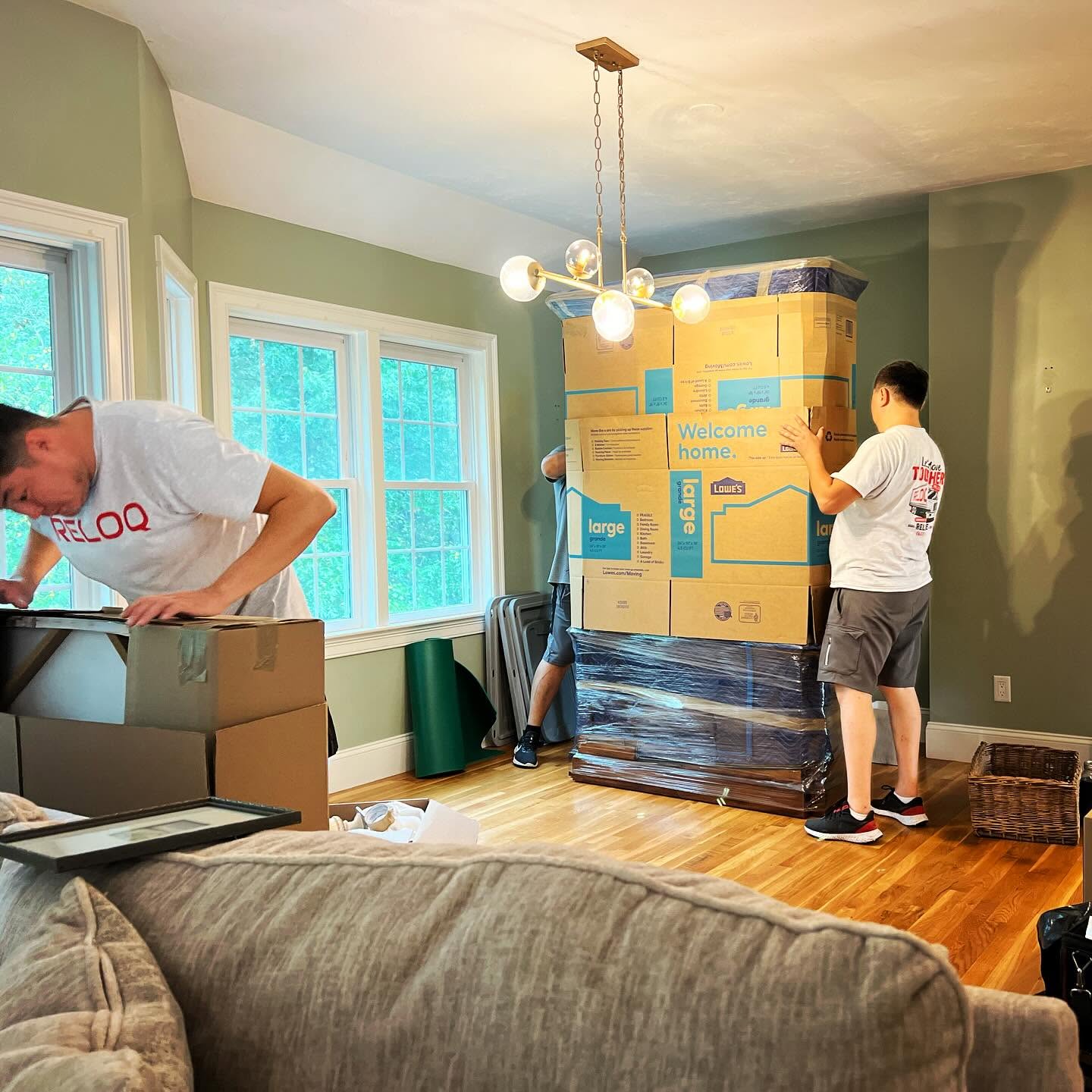
Most moves come down to the same basic promise: pack it well, load it carefully, deliver it in one piece. For most homes, that’s exactly the right level of care.
But some items don’t fit neatly into “careful.” A 200-year-old dresser, a piece of original artwork, a wine collection, a piano — these aren’t just heavier or more expensive versions of a regular box. They need a different kind of attention, from different hands, often with different equipment. That’s the gap white glove moving is built to fill.
Standard careful packing — blankets, padding, secure boxes — protects the vast majority of what’s in a home. It’s built to prevent scuffs, shifting, and the kind of everyday damage that happens when furniture and boxes travel together in a truck.
But some items carry risks that standard packing doesn’t fully address: irreplaceable value, structural fragility, complex disassembly, or sensitivity to temperature and humidity. A scratch on a dresser from a big-box store is an inconvenience. The same scratch on a family heirloom is a different problem entirely — one that padding alone doesn’t prevent if the handling around it isn’t just as careful.
“White glove” gets used loosely in the moving industry, so it’s worth being specific about what it actually means in practice:
It’s less about doing everything more expensively, and more about matching the level of care to what the item actually requires.
White glove moving tends to come up in a few recurring situations: moving antiques or inherited furniture, relocating artwork or collectibles, transporting high-end electronics or musical instruments, wine collections and other temperature-sensitive items, or helping someone move who needs extra hands-on support with setup at the other end. It’s also common for partial moves — most of a home goes through a standard process, while a handful of specific items get this additional layer of care.
A standard move — local or interstate — is built around efficiency at scale: packing and loading a whole household well, on a realistic timeline. White glove moving trades some of that efficiency for precision on a smaller set of items. It’s not a replacement for a standard move; it’s usually layered on top of one, applied to the pieces that need it.
If you have items you’re not sure fit into a standard move, it’s worth asking directly: how are high-value or fragile pieces assessed before the move, what materials or crating options are available, and who specifically handles those items on moving day. “We’re careful with everything” is a reasonable baseline — but for the pieces that matter most, it’s worth knowing exactly what that care looks like.
Is white glove moving only for antiques or fine art? No — it’s most common for those items, but it also applies to pianos, high-end electronics, wine and other climate-sensitive collections, and anything else that’s fragile, high-value, or difficult to handle with standard packing.
Does white glove service replace a standard move, or add to it? Usually it’s added on top. Most of a home moves through the standard process, while specific items get this extra layer of assessment, materials, and handling.
Does white glove moving cost more than standard moving? It depends on what’s being moved and how much extra time, materials, and specialized handling it requires. It’s best discussed item by item rather than as a flat add-on.
Can I request white glove treatment for just one or two items? Yes. It’s common for a move to be mostly standard, with white glove handling applied only to the pieces that need it.
How do I know if my move needs this level of service? If you’re unsure whether an item is fragile, irreplaceable, or complicated enough to need extra care, it’s worth asking directly rather than assuming standard packing covers it.
Not sure if your move needs white glove service? Contact RELOQ to talk through what you’re moving.
Excellence in every move with years of experience in the moving industry
Continue