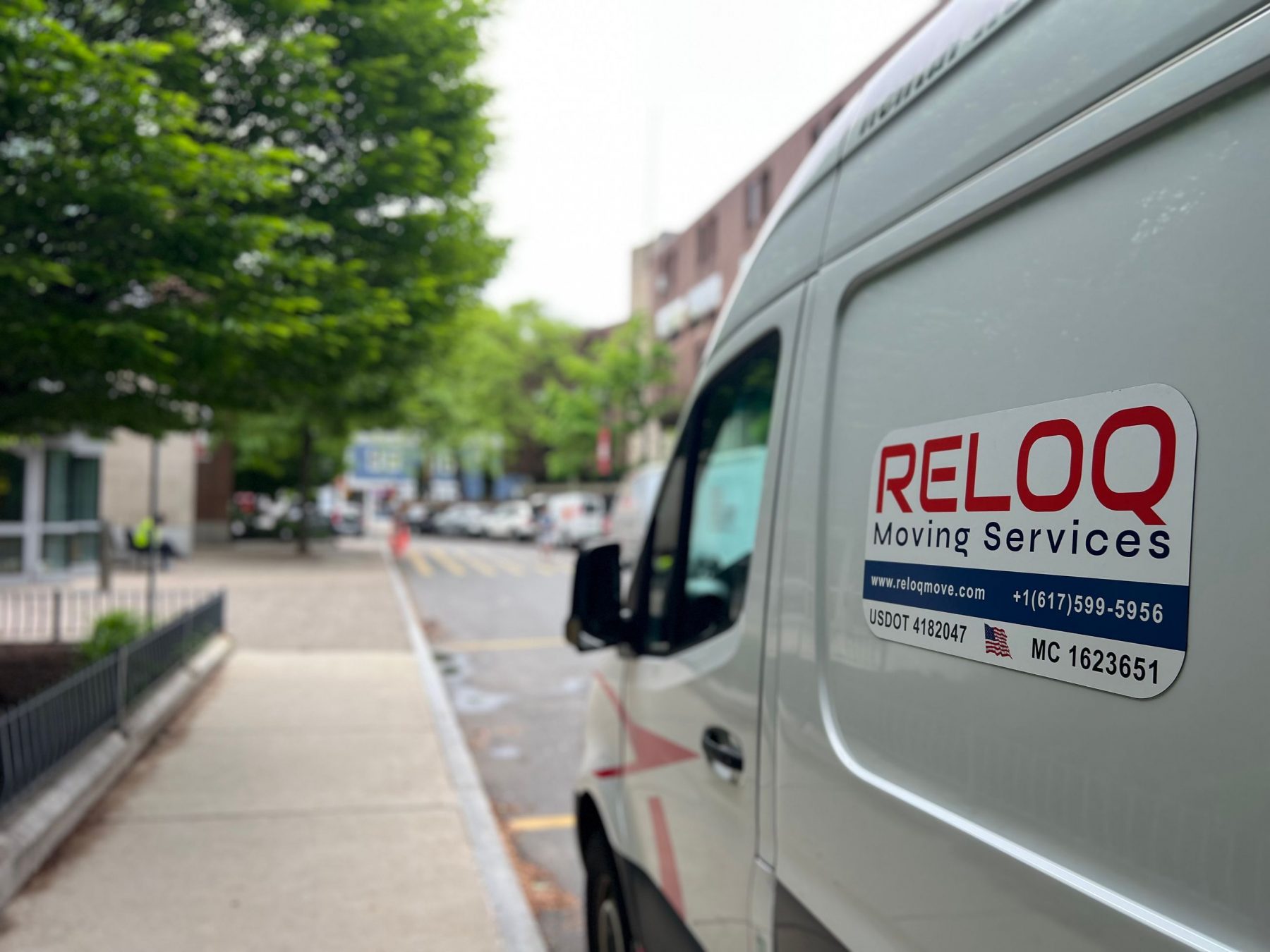
Moving in Wellesley tends to reveal its complexity gradually. What looks manageable at first often becomes intricate once the details come into view. Driveways narrow unexpectedly. Interior paths twist through older layouts. Buildings introduce rules that exist quietly until moving day arrives and refuse to bend.
The town’s residential character explains much of this. Wellesley blends large single-family homes with condos and smaller apartment buildings, many built long before modern moving equipment became standard. School calendars compress demand into short windows, and local parking expectations quietly shape how long a truck can stay in one place. These conditions rarely announce themselves early. They surface once timing and access collide.
Choosing the right Wellesley moving company becomes a way to manage exposure. Planning quality determines how much of the move feels calm and how much feels improvised. Local experience matters because the challenges here follow patterns. The problems repeat. The solutions do too.
RELOQ operates within those patterns. The value shows up in preparation that anticipates where Wellesley moves tend to slow down and builds around those points before the schedule hardens.
Preparation carries more weight in Wellesley than many people expect. The town rewards moves that are thought through early and penalizes those built on assumptions. Small details tend to matter here. Access paths, timing windows, and interior flow influence outcomes long before a truck arrives. When preparation stays surface-level, pressure builds quickly on moving day. When preparation reflects how Wellesley homes and neighborhoods actually function, the move settles into a predictable rhythm.
In the sections below, you will learn more about the parts of preparation that shape results most clearly. Housing layout, timing choices, access rules, interior readiness, and inventory accuracy all work together. Addressing them early creates flexibility later. Ignoring them pushes decisions into moments when options narrow.
Wellesley’s housing stock shapes how moves unfold. Single-family homes often involve long driveways, layered landscaping, and stair-heavy interiors that influence loading order. Condos and apartment buildings introduce shared access, elevator coordination, and fixed move windows that limit flexibility.
Older properties add another layer. Narrow staircases, tight turns, and original finishes require slower handling and defined interior routes. Mature trees, stone walls, and limited curb access affect where trucks can stage and how equipment moves from street to door.
Pre-move walkthroughs matter here because they surface these constraints early. Seeing the space allows planning to align with reality rather than assumptions built from square footage alone.
Timing shapes outcomes in Wellesley. School schedules concentrate moves into predictable periods, especially late spring and summer. Availability tightens quickly during those months, and small delays ripple outward.
Weather adds its own influence. Eastern Massachusetts brings rain-heavy springs, humid summers, and winter conditions that affect surfaces and pacing. These factors change how long loading takes and how protection is applied.
Weekday moves often create smoother conditions. Streets stay calmer, access feels less competitive, and service coordination becomes easier. Choosing timing with these patterns in mind keeps momentum intact.
Access remains one of the most common pressure points. Driveways often limit truck positioning. Street parking varies by neighborhood and receives active enforcement.
Some buildings require advance approval for move-ins. Others restrict the hours when trucks can remain staged. These details tend to matter only once the truck arrives, which is precisely why they need attention earlier.
Professional movers address access as part of planning. Parking rules, permits, and building requirements shape schedules before crews are assigned. That preparation prevents delays that no amount of speed can fix later.
Interior readiness affects every phase of the move. Clear paths allow steady movement and reduce incidental damage. Floors, railings, and entry points benefit from protection before heavy items enter the flow.
Professional crews expect staging to be mostly complete. Boxes sealed, furniture prepared, and destination plans clarified. Uncertainty at this stage slows progress and increases handling. If packing feels like too much, RELOQ’s professional packing services can take that stage off your plate entirely.
Preparation also clarifies responsibility. When access is clear and items are staged intentionally, accountability remains straightforward. Order inside the home supports predictability outside it. A detailed moving day preparation checklist keeps this stage on track.
Inventory accuracy sets the tone for the entire move. Underestimating volume compresses schedules and strains crews. Overestimating inflates cost without adding value.
Some items deserve early attention. Large furniture, fragile pieces, and specialty objects influence equipment choice and loading sequence. Identifying them upfront allows the plan to absorb their demands.
Accurate inventory aligns truck capacity, crew size, and timing. That alignment reduces mid-move adjustments and keeps costs tethered to reality.
Moving in Wellesley rewards awareness of how the town actually works. The challenges tend to be procedural rather than dramatic. Rules sit quietly in the background. Access limits appear ordinary until a truck arrives. Most issues arise from small details that were never discussed early enough.
Local regulations vary by property type. Condo associations often require move approvals, elevator reservations, and proof of insurance before a date is confirmed. Single-family neighborhoods follow quieter rules. Parking enforcement is consistent, and trucks that overstay draw attention quickly. Knowing where these expectations apply keeps the day from tightening unexpectedly.
Cost behaves differently in Wellesley than people expect. Square footage matters less than access and timing. A modest home with limited parking and multiple levels can require more labor than a larger property with open access. Accurate estimates reflect layout, distance, and the way items must move through the space. When these factors are reviewed upfront, pricing feels grounded rather than surprising.
Insurance and liability deserve careful attention. Movers carry valuation coverage that protects against specific risks, and homeowners play a role through preparation and disclosure. Understanding where responsibility begins and ends keeps expectations aligned. Conversations about coverage tend to feel abstract until something goes wrong, which makes early clarity especially valuable.
Communication carries weight throughout a Wellesley move. Schedules shift when access windows change. Adjustments happen when weather intervenes or building rules tighten. Moves feel steadier when one team coordinates planning and execution, and when updates flow through a single point of contact. That structure keeps decisions deliberate instead of reactive.
Comparing movers requires looking past surface signals. Licensing, insurance, and local experience reveal more than promotional language. Reviews help when read for patterns rather than isolated complaints. The goal is to find a company that understands how Wellesley moves behave in practice, not just how they sound on paper.
Common Hiring Mistakes That Disrupt Wellesley Moves
Many moving problems in Wellesley begin long before a truck is scheduled. They start with small assumptions that feel reasonable at the time and quietly unravel later. These mistakes rarely come from carelessness. They come from treating a Wellesley move like a generic relocation instead of a locally constrained project.
One common issue begins with choosing the lowest quote without examining how access was evaluated. A price can look attractive on paper while quietly excluding details that matter in this town. Driveway length, street parking limits, stair-heavy interiors, and narrow approaches all affect labor time. When those factors are missing from the quote, the plan relies on speed rather than structure. The result often shows up as rushed loading, mid-move adjustments, or added time once the truck arrives and reality sets in.
Another frequent mistake involves the idea of “local” experience. A company based nearby does not always understand how Wellesley behaves on moving day. Familiarity with Boston neighborhoods or regional highways does not translate automatically to residential streets governed by school schedules, neighborhood expectations, and active parking enforcement. True local knowledge shows up in how arrival times are chosen, how trucks are staged, and how crews move through homes without disrupting the surrounding environment.
Skipping walkthroughs in older homes creates a different set of problems. Many Wellesley properties contain features that influence handling in subtle ways. Tight stair turns, low ceilings, original railings, and delicate finishes affect how items move from room to truck. Without seeing the space, movers rely on descriptions that flatten complexity. The plan looks fine until a sofa meets a turn that does not allow rotation or a staircase that demands controlled descent. Walkthroughs surface these realities early, when solutions remain simple.
Peak-season booking without confirming availability windows causes another strain. Late spring and summer compress demand into short periods driven by school calendars. Buildings, neighborhoods, and service providers all feel that pressure. Securing a date without confirming access approvals, elevator reservations, or parking allowances creates vulnerability. When these details surface late, schedules tighten and flexibility disappears. Moves feel stressful not because of distance, but because timing was never anchored.
Each of these mistakes shares a pattern. Planning stopped at the surface. The deeper structure of a Wellesley move never fully entered the conversation. Addressing that structure early changes outcomes in quiet ways. Fewer decisions move to the last minute. Fewer compromises happen under pressure. The move unfolds with steadiness instead of correction.
Moving quotes carry more information than most people realize. In Wellesley, a quote works best when it explains how the move will unfold rather than simply stating a price. Reading a quote well means understanding what it accounts for, how it was built, and where flexibility lives.
A detailed quote reflects time spent understanding the property. It references access paths, interior layout, distance from truck to door, and the sequence items will follow. These details indicate that planning extended beyond square footage. Quotes that feel grounded usually connect labor time to physical conditions rather than abstract averages.
Access and layout shape labor more than distance alone. A short move involving multiple floors, limited parking, or long carries can require more time than a longer move with open access. When quotes explain how layout affects crew size and pacing, they give insight into how the company thinks. That explanation builds trust because it links cost to observable conditions.
Flat pricing often appeals because it feels simple. Simplicity, however, relies on assumptions. Flat quotes depend on fixed expectations about access, volume, and timing. When those expectations hold, the move feels smooth. When they shift, tension appears. Understanding what assumptions sit behind a flat price helps set realistic expectations. Clarity matters more than format.
Estimates sometimes change, and that change does not always signal a problem. Adjustments usually occur when scope changes, access differs from what was described, or inventory expands. Knowing the difference between binding and non-binding moving estimates makes those adjustments easier to anticipate. Moves evolve as details become clearer. What matters is how those changes are communicated. Companies that explain adjustments calmly and tie them to specific conditions keep trust intact. Surprises feel manageable when their cause is visible.
Evaluating quotes in Wellesley means listening for planning language. Look for references to access, timing windows, and interior flow. Pay attention to how questions are asked. Quotes built on curiosity tend to hold up better than those built on speed. The goal is alignment. When expectations, conditions, and cost agree early, the move proceeds with fewer disruptions.
Strong moving companies in Wellesley share a few traits that only become obvious once the work begins. These traits rarely appear in slogans. They show up in how crews prepare, how decisions are made under pressure, and how responsibility stays clear when conditions shift.
Local familiarity sits at the center. Wellesley streets follow patterns that repeat across neighborhoods. School zones tighten access during certain hours. Side streets fill quickly during peak seasons. A crew that understands these rhythms plans routes and arrival times with fewer surprises. That awareness reduces idle time and keeps deliveries aligned with building rules.
Residential focus matters as well. Many Wellesley moves involve single-family homes with finished interiors, layered staircases, and tight transitions between rooms. Movers accustomed to this environment work deliberately. They protect floors early, manage vertical movement carefully, and stage items so placement happens smoothly instead of through repeated adjustments.
Clear estimates reflect another defining feature. Reliable companies document scope carefully and explain how access, layout, and timing influence cost. That transparency sets expectations before schedules lock in. When changes occur, they feel manageable rather than disruptive because the original plan left room for reality.
Equipment standards also separate capable operators from generic ones. Floor runners, door protection, padded wrapping, and properly sized trucks signal preparation rather than speed. These tools support consistency, especially in homes where finishes and spacing leave little margin.
Oversight ties everything together. The most dependable Wellesley moving company
keeps responsibility centralized. One team manages planning, execution, and communication. That continuity allows decisions to stay informed and measured, even when adjustments become necessary.
In Wellesley, the difference rarely lies in how fast items move. It appears in how quietly problems are prevented and how little attention the move demands once it begins.
A well-planned moving day in Wellesley unfolds with a steady rhythm. Nothing dramatic announces that things are going right. The absence of urgency becomes the signal. When preparation has done its job, the day moves forward without forcing decisions under pressure.
The morning begins with an arrival that feels deliberate. Trucks position where access has already been approved. Crews know which entrance to use and which surfaces need immediate protection. Floor runners appear before furniture moves. Doorways receive padding before the first item crosses the threshold. These early actions set the tone because they remove hesitation from the rest of the day.
Loading follows a sequence shaped by the home itself. Items leave rooms in an order that matches weight, fragility, and destination placement. Heavier pieces move when paths are clear and attention is focused. Fragile items travel after space has opened up and movement slows naturally. The crew works quietly because everyone understands the plan. No one stops to ask where something goes. That question was answered earlier.
As the truck fills, balance matters. Weight distributes evenly. Items that need faster access at delivery stay positioned for that purpose. Nothing gets buried and nothing waits on guesswork. Time stays predictable because the pace matches the environment instead of fighting it.
Transit carries the same discipline. Departure timing reflects traffic patterns that were reviewed in advance. Routes favor consistency rather than shortcuts that introduce risk. The drive feels uneventful, which is exactly the point. Predictability protects schedules and reduces fatigue.
Arrival brings another shift in focus. Access at the destination has already been confirmed, so unloading begins without negotiation. Placement follows the plan discussed earlier. Furniture moves directly into its intended position. Boxes land in rooms where they belong. Repositioning stays minimal because decisions were made when there was time to make them well.
Throughout the day, communication stays contained. One point of contact handles updates and adjustments. Questions resolve quickly because responsibility is clear. Clients stay informed without needing to manage details. The move feels present but not overwhelming.
When the last item settles, there is no scramble to correct earlier choices. Protection comes down methodically. Final walkthroughs confirm placement and condition. The space feels usable immediately, not half-assembled.
In Wellesley, a smooth moving day depends on alignment more than speed. Access, timing, and preparation shape outcomes quietly. When those elements line up, the move fades into the background of the day. That calm finish reflects planning that did its work long before the truck arrived.
Wellesley moves follow patterns that differ from surrounding communities, even when the distance looks similar. The difference comes from how the town is built, how residents use space, and how daily routines shape access. These factors combine in ways that quietly influence every stage of a move.
Housing design plays a major role. Many Wellesley homes were built with long-term living in mind rather than frequent turnover. Floor plans favor separation over openness. Staircases turn sharply. Entryways feel formal and narrow. These features reward careful sequencing and punish rushed handling. Nearby towns with newer developments often offer wider paths and simpler layouts that allow more flexibility during loading.
The town’s rhythm also affects timing. School schedules shape daily traffic patterns more intensely here than in neighboring areas. Morning and afternoon windows tighten quickly. Midday access often opens briefly before closing again. Moves that ignore these rhythms end up waiting instead of progressing. Planning that accounts for them keeps momentum steady.
Neighborhood expectations influence behavior as well. Wellesley streets value order and quiet continuity. Trucks that linger or block access draw attention. Moves benefit from discretion and pacing that respects the surrounding environment. This social layer does not appear in regulations, yet it shapes outcomes just as strongly as written rules.
Property access adds another dimension. Driveways vary widely in length and slope. Mature landscaping limits staging options. Stone walls and setbacks restrict how close trucks can approach. These conditions turn short carries into long ones and change how crews organize their work. Towns with denser curb access rarely face the same constraints.
Local enforcement completes the picture. Parking rules receive consistent attention. Time allowances matter. Approval processes exist quietly until overlooked. Movers familiar with these patterns build schedules that fit within them instead of pushing against them.
Together, these elements create a moving environment that rewards foresight. Wellesley moves behave differently because the town itself asks for more planning, more awareness, and more restraint. When that reality is respected, the move feels calm. When it is ignored, friction appears quickly.
Planning a move in Wellesley or one of the nearby towns? Explore RELOQ’s local moving services in Massachusetts or get a free quote online in a couple of minutes.
Excellence in every move with years of
experience in the moving industry