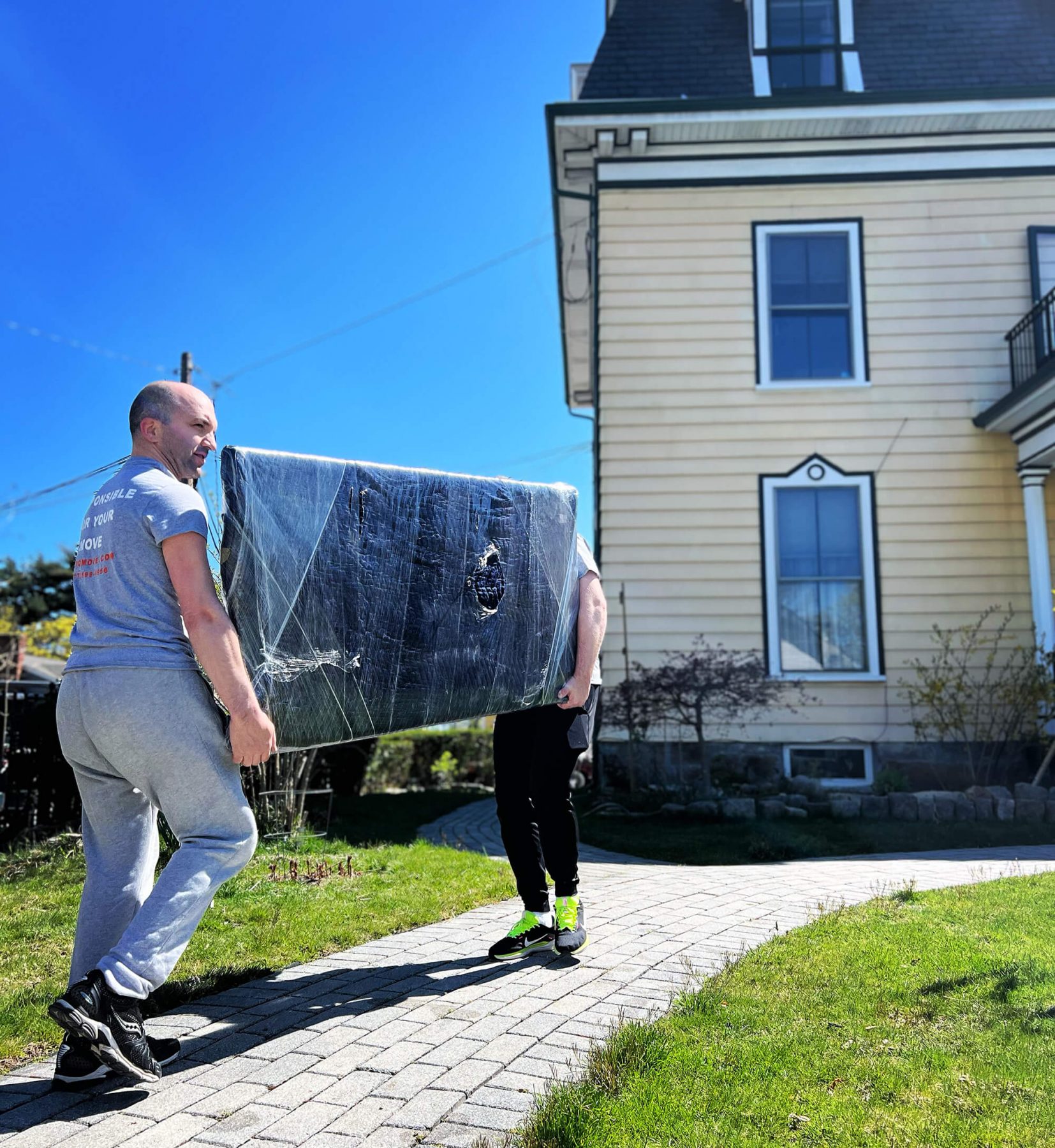
Choosing a moving company in Wellesley depends on preparation, local awareness, and trust that shows up early. Homes here introduce logistical pressure through access limits, scheduling constraints, and high expectations around care. The right choice becomes visible through planning conversations rather than promises. This article explains how to evaluate Wellesley movers using practical signals that reflect local realities and helps you understand what separates reliable professionals from companies that simply make promises. It focuses on reliability, professional standards, and advantages that matter locally. RELOQ Move already works across Massachusetts every week, coordinating residential, commercial, and interstate moves inside these conditions. Their teams plan with Wellesley in mind, which supports steady outcomes instead of last-minute adjustments.
Reliability becomes visible during planning, long before moving day arrives. It shows in how details are recorded, how decisions are tracked, and how responsibility stays clear once work begins. When those pieces are in place, property handling follows a plan, schedules hold their shape, and communication does not drift under pressure. This section explains how to spot movers in Wellesley whose operations stay controlled because the structure behind them is solid.
Reliability begins with compliance. Licensed movers operate under defined standards that govern training, safety, and responsibility. Insurance coverage extends that structure by assigning accountability when damage or loss occurs. These elements protect clients long before trucks arrive.
In Massachusetts, this foundation carries extra weight. Residential streets often involve limited access, shared driveways, and tight parking conditions. Interiors frequently include finished flooring, narrow staircases, and custom fixtures. Movers without proper credentials introduce risk that surfaces only after problems appear. Insurance coverage signals readiness to address issues directly rather than deflecting responsibility.
RELOQ Move maintains full licensing and insurance for local Massachusetts moves and interstate relocations nationwide. That coverage applies across residential services, commercial projects, and long-distance transport. Clients know which protections apply and how claims move forward if needed. This clarity allows planning conversations to focus on logistics and timing instead of uncertainty or hesitation.
Clear pricing supports trust. Movers who explain costs early reduce confusion and prevent tension later. Reliable estimates outline labor structure, packing scope, timing assumptions, and access considerations. These details matter more than appealing numbers that change once work begins.
Unexpected charges usually appear when estimates skip inventory review or rely on assumptions. Transparent movers prevent that pattern through detailed walkthroughs and written confirmation. Clients gain control over decisions when pricing reflects reality rather than approximation.
Before accepting any quote, it is also worth understanding the difference between binding and non-binding estimates. Knowing how each pricing model works helps you compare moving companies more accurately and avoid surprises if the final cost changes after moving day.
RELOQ Move approaches pricing through advance discussion. Teams review inventory, access limitations, and scheduling needs before finalizing numbers. Interstate services follow flat-rate pricing once scope is confirmed. Local moves rely on clearly explained hourly structures. This process keeps conversations direct and removes uncertainty during execution.
Reliability depends on people who work within a shared structure. Companies relying on rotating labor struggle with consistency and oversight. Team continuity supports predictable pacing, shared handling standards, and clear communication.
Internal accountability allows supervisors to monitor progress and resolve issues quickly. Clients experience fewer disruptions when responsibility remains visible throughout the move.
RELOQ Move works with in-house crews who operate together regularly. This structure supports consistent handling, steady coordination, and clear responsibility. Customers know who arrives and who remains accountable through completion. That continuity strengthens reliability across residential, commercial, and interstate projects.
Professional movers bring experience that extends beyond physical effort. They contribute local awareness, structured handling practices, and predictability during high-pressure periods. This section explains why those benefits carry particular weight in Wellesley.
Local familiarity shapes outcomes. Movers who work across Massachusetts understand how town layouts, traffic flow, and seasonal demand influence scheduling and access. This awareness prevents delays caused by overlooked constraints.
In Wellesley, specific details require firsthand familiarity:
RELOQ Move completes residential moves throughout Massachusetts, building familiarity through repetition rather than assumption. Crews arrive prepared for access challenges common in Wellesley neighborhoods. That preparation supports smoother execution during both quiet and busy periods.
Many Wellesley homes contain items that demand deliberate handling. Older properties often feature narrow staircases, finished surfaces, and custom interiors. Professional movers plan protection and movement paths before lifting begins.
Items that require special care often include:
RELOQ Move provides professional packing services using quality materials and structured methods. Crews focus on protection and pacing rather than speed. This approach preserves condition and reduces risk throughout transport and placement.
Predictability becomes essential during peak seasons. Summer demand clusters around school schedules, leases, and family timelines. Inexperienced operations struggle under that pressure, which leads to rushed decisions and scheduling conflicts.
Experienced movers manage demand through planning and availability. Schedule flexibility allows alignment with access windows and personal priorities. Clear communication keeps expectations realistic when adjustments become necessary.
RELOQ Move operates seven days a week, supporting schedule coordination during high-demand periods. This availability helps clients secure workable dates and avoid last-minute compromises. Combined with experienced crews and structured planning, moves progress with a steady rhythm that feels controlled and dependable.
Planning decides how the day feels. Wellesley can look calm, and access can still get complicated once a truck shows up. A narrow curb cut, a long driveway, a short move window, one elevator that everyone needs – each detail can slow the whole job. This section covers three practical pieces: the walkthrough that turns guesswork into a plan, date choices that fit local rhythms, and building rules that can stop a move at the lobby door.
A walkthrough is where you stop imagining the move and start seeing it. You notice the turn that a sofa has to make. You notice the single step that will trip a dolly. You notice the hallway that narrows near the stairs. Those details shape labor time and protection needs, so they belong in the plan.
Staging comes next. The street rarely offers endless space in Wellesley, and the best truck position depends on sight lines, neighbors, and carry distance. A good staging plan keeps a clear lane at the entry and a clean path at the curb. It also sets aside a safe spot for fragile boxes so they do not get buried under heavier loads.
Driveway use needs a clear decision. Steep grades change how ramps and dollies behave. Tight turnarounds restrict truck positioning. Shared driveways turn parking into a timing issue. A mover who plans well chooses a staging point that respects the property and keeps distance short without blocking access.
Interior route planning ties it together. One route through the home prevents traffic jams and reduces contact with walls. Floor runners matter on finished wood and stone. Corner guards and door padding matter near tight turns. Clear room labels prevent backtracking once items reach the new space.
RELOQ Move treats this phase as real work that happens before the first lift. The team gathers access details early, reviews inventory, and confirms the route and staging plan so the crew arrives ready to execute.
Choosing a date in Wellesley is a small strategy exercise. Weekdays often bring calmer streets and easier curb access. Weekend dates can work, and parking pressure can rise in some areas. The goal stays simple: pick a day that supports the access you need.
School schedules push demand into predictable periods. Late spring and summer fill quickly, especially around closings and lease changes. Early booking helps, and midweek dates can open options during peak season.
Weather matters because it changes surfaces and pace. Rain increases slip risk at entries. Snow and ice slow every trip on steps and driveways. Summer heat adds strain and can affect items that sit in a warm truck for long stretches. A realistic plan includes protection choices that match the forecast.
RELOQ Move offers flexibility that helps here. Residential clients can schedule for the day that fits a household timeline. Commercial clients can book off-hours moves, such as overnight work, weekend dates, and holiday schedules, so the office can function with minimal interruption.
Building rules can block a move before the first box reaches the elevator. Many condos require a certificate of insurance. Some require proof of licensing. Some require a signed move agreement and advance notice. The fastest way to lose time is to learn these rules after the crew arrives.
Elevator scheduling often sets the pace. A reserved window shapes loading and unloading. Some buildings require elevator pads and hallway protection. Some limit move times to specific hours, and enforcement can be strict. A mover who prepares asks for these details early and treats them as part of the schedule.
HOA requirements add another layer. Some communities restrict truck placement or limit noise during certain hours. A coordinated plan keeps the day smoother for everyone, even the people next door.
RELOQ Move has experience with apartment moves and commercial relocations that require coordination. That background helps with insurance paperwork, elevator logistics, and schedule alignment. Off-hours execution becomes possible when the building allows it.
Moving quotes get confusing when they rely on shortcuts. A price based on square footage or bedroom count skips the details that actually drive cost. Labor time, access limits, packing scope, and handling requirements shape the final number. This section shows how to read a quote with intention and check whether it reflects the move you are planning, not a generic version of it.
Hourly pricing works best for local moves where distance stays short and access remains straightforward. The total cost depends on how long the crew works, so the estimate lives or dies by its time calculation. To evaluate an hourly quote, ask how many movers are included and how the estimated hours were determined. A serious estimate comes from a walkthrough or a detailed inventory, not a guess based on averages.
Flat-rate pricing fits long-distance moves and situations where timing can vary. The total price stays fixed once scope is defined, which shifts the focus to accuracy upfront. Inventory, packing needs, stair carries, and access conditions matter more than mileage alone. RELOQ uses flat-rate pricing for interstate moves after reviewing the full scope, which gives clients a stable number for budgeting and planning.
To evaluate either model, do this:
Most pricing problems come from exclusions, not overcharging. An exclusion is any task or condition that was never discussed, then appears as an added charge later. Common ones include packing materials, long carries from door to truck, stair work beyond a set number of flights, disassembly of complex furniture, and delays caused by elevator or parking issues.
A practical way to spot exclusions is to walk through your home with the estimate in hand. Look for anything that slows movement or requires extra handling. Confirm that each of those details appears in writing. If a mover says something is “usually included,” ask where it appears in the estimate.
RELOQ addresses this early by discussing scope before pricing is finalized. Access conditions, packing needs, and special items get reviewed ahead of time. That approach removes ambiguity and keeps the day focused on execution rather than negotiation.
Inventory accuracy controls cost more than any pricing model. An estimate built on an incomplete list almost always changes. Walk through your home room by room and count large furniture, fragile items, and boxed belongings. Do not forget storage spaces, basements, garages, or outdoor items.
Ask the mover to provide the inventory in writing. Read it line by line. Add anything missing before you sign. A precise inventory protects the price and keeps expectations aligned.
A reliable quote feels plain. Every number has a reason. Nothing depends on assumption. That clarity is how you evaluate cost without guessing.
Some problems announce themselves early. They appear in the estimate process, in the pace of the conversation, and in what gets skipped when details matter. A mover does not need to make a mistake on moving day to cause trouble. Weak signals during planning often lead there on their own. This section focuses on signs that usually lead to delays, added costs, or confusion once the truck is already on site.
An estimate built without a full inventory review carries structural risk. Phone-only quotes depend on assumptions about volume, weight, and access. Those assumptions rarely survive once the crew sees the space. A missing sectional, a packed basement, or a narrow stairwell can change labor time immediately.
A serious estimate requires visibility. Movers should ask detailed questions about large furniture, fragile items, storage areas, and layout constraints. A walkthrough, virtual or in person, allows those details to surface early. When that step gets skipped, the price stops being a plan and turns into a placeholder.
Inventory accuracy also affects staffing and equipment. A partial list can leave a crew short-handed or a truck poorly loaded. Both outcomes slow the pace and increase pressure. Early clarity protects the rhythm of the day and keeps decisions measured.
Watch for these practical gaps during the estimate stage:
Pressure often replaces preparation when planning is weak. Urgent messages about disappearing dates or demands for large deposits push decisions before details are confirmed. That urgency limits review time and discourages questions.
Reliable movers slow the process down at the right moment. They leave space for inventory review, access checks, and schedule alignment. Planning comes first, then booking follows once the scope feels complete.
RELOQ approaches scheduling through preparation rather than urgency. Conversations focus on logistics, access, and timing. Availability gets discussed after those details settle into place. This order supports clarity and reduces stress before any commitment is made.
The final steps before booking turn preparation into execution. Clear documentation and small adjustments at this stage protect the entire move. Skipping them often leads to friction that could have been avoided.
Written confirmation anchors expectations. Dates should appear clearly. Inventory should match what was discussed. Access points should be noted. Insurance coverage should be documented. Arrival windows should feel realistic rather than optimistic.
Review the agreement line by line. Check that labor counts, timing assumptions, and scope details align with earlier conversations. Ask for clarification before signing if something feels vague or incomplete. Clear paperwork keeps responsibility visible and prevents confusion later.
Written confirmation also supports coordination with buildings, neighbors, and schedules. It gives everyone the same reference point once the move begins.
Preparation shapes flow. The goal stays simple: reduce friction during the busiest hours of the day. Packing services can reduce handling time when schedules feel tight. Labor-only help can support self-managed moves without adding complexity. Short-term storage can bridge timing gaps during renovations or delayed closings.
These options work best when chosen deliberately. Reactive decisions made on moving day often cost more and solve less. Early planning keeps choices flexible and keeps the timeline intact.
RELOQ supports this flexibility through a range of coordinated options. Clients can match services to the reality of their schedule rather than forcing the day to fit a rigid plan. Strategic preparation keeps the move controlled and predictable.
Choosing a moving company in Wellesley comes down to preparation, transparency, and local understanding. Smooth moves begin with clear planning and honest conversations long before the truck arrives. RELOQ Move applies these principles across its local moving services, helping homeowners throughout Massachusetts plan moves with greater confidence. A short consultation before booking helps confirm scope, timing, and access details, allowing the move to start on stable ground and stay there through completion.
Excellence in every move with years of
experience in the moving industry