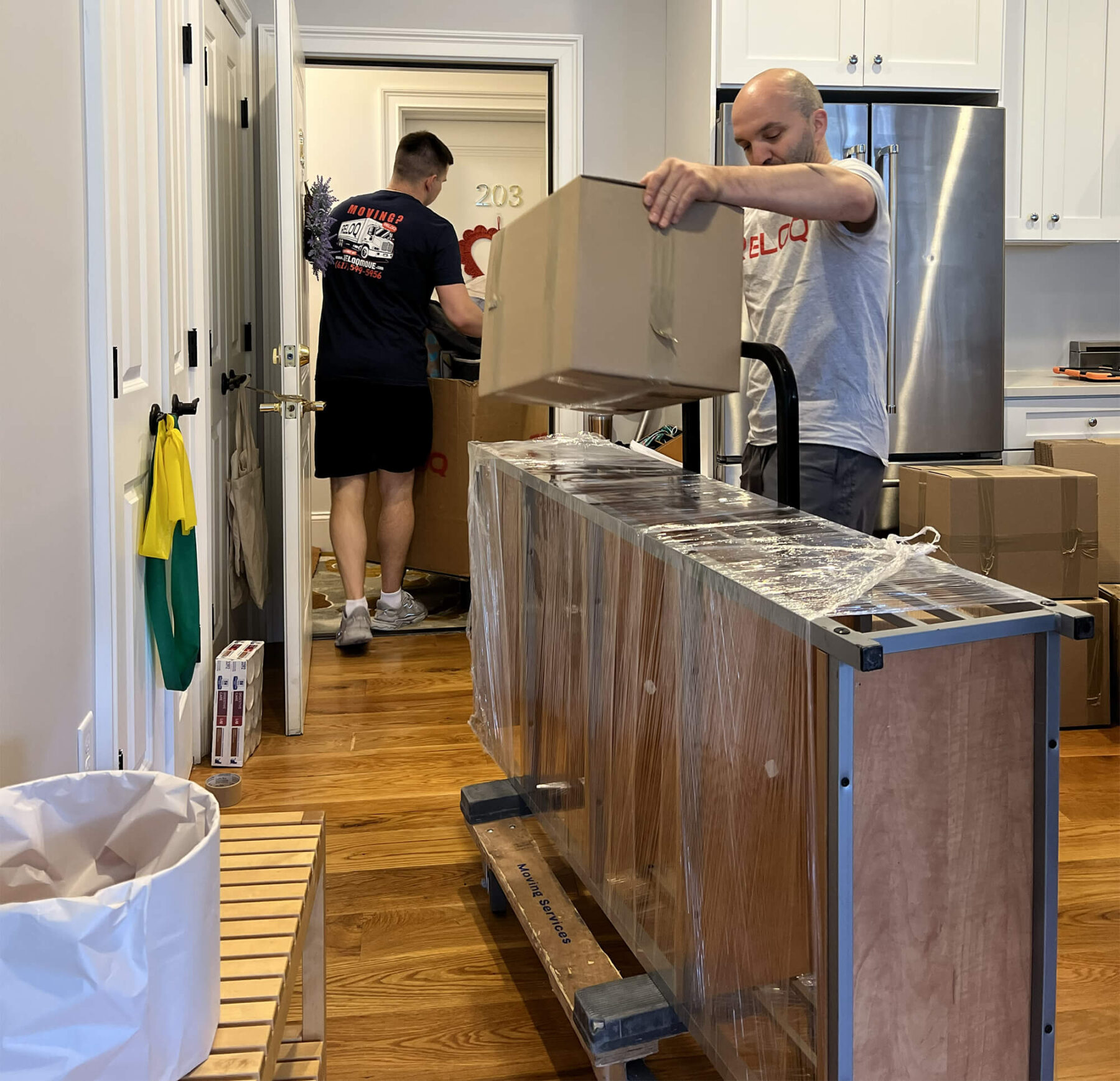
Packing looks simple. Boxes, tape, done. Not quite. It’s more like controlled chaos with a checklist. Or chaos pretending to be controlled.
At RELOQ, we’ve seen it all in Needham, Hopkinton, Wellesley, Lexington, Framingham, and other wonderful places across the country — boxes collapsing mid-staircase, mislabeled “kitchen” cartons full of books, cables packed like someone tried tangling them together for some obscure reason.
A proper packing process saves time, money, and — quietly — your sanity. It’s not just about getting things from A to B. It’s about how they arrive. And how you feel when they do.
Packing doesn’t start when you grab tape. It starts earlier. A few weeks earlier, ideally.
You look around your space. You think you don’t even own that much. Then you open a closet. Then another. Then a drawer that hasn’t been opened since 2017 or something.
Start there. Declutter first. Always first. Because packing things you don’t need is like paying to move clutter. Which is, frankly, inefficient.
Sort into three categories:
Simple system. Surprisingly difficult in practice.
Not all boxes are equal. Not even close:
And tape. Always more tape than you think.
People underestimate materials constantly. Then improvisation begins. Towels instead of padding. Grocery bags as filler. It works until it doesn’t — then things get messy.
You don’t pack randomly. Or you shouldn’t.
Start with non-essential items. Then pack seasonal belongings. After that — decor, books, valuable items you don’t use often. Daily-use items are to be packed last, along with electronics and the emergency bag.
Kitchen? Last. Bathroom? Last. Bedroom essentials? Definitely last. This sequence reduces friction. That matters.
There’s debate here. Always is.
Room-by-room is intuitive. You stay organized geographically. Category packing is efficient. All books together, all clothes together, all electronics together.
At RELOQ, we usually recommend a hybrid option. Because strict systems tend to break under real-life conditions. Pack rooms separately, but group similar items when practical.
It’s flexible. It works.
Labeling is where good intentions go to die.
You start strong. Clear handwriting. Detailed notes. Then halfway through: “Misc”. That’s where problems begin.
Proper labeling includes:
Optional but powerful is color coding by room. Seems excessive until unloading day. Then it feels brilliant.
Glassware, porcelain, electronics. This is where packing becomes delicate.
Wrap individually. No shortcuts. Use double boxing for extremely fragile items. Fill empty spaces. Movement equals damage.
Plates? Pack vertically. Glasses? Cushion inside and out. TVs? Original boxes if possible. If not — custom padding.
Most damage during moves happens here. Not during transport. During packing.
Furniture isn’t just large. It’s complicated.
Disassemble when possible. Keep screws in labeled bags. Tape them to the furniture if needed. Protect surfaces with blankets, pads, and stretch wrap.
Corners matter. They get hit first. And then there’s weight distribution. Load properly or risk strain, damage, or both.
Because it’s underestimated. People think packing is a side task. Something to fit in. It’s not. It’s the foundation of the move.
Common mistakes:
And sometimes just rushing. That’s the main one.
At RELOQ, packing isn’t an afterthought. It’s a system. A practiced one.
We’ve handled lots of moves where precision matters — homes, offices, mixed-use spaces. Each one was different.
Our approach includes pre-move planning, structured packing, professional-grade materials, and trained professionals who pack daily, not occasionally.
There’s rhythm to it. Efficiency. Less guesswork. And importantly — accountability. Because when professionals pack, responsibility is clear.
It’s not just about saving time. Though it does that. It’s also about:
Clients often say the same thing after: “I didn’t realize how much this would help”. Which is fair. You only really understand packing complexity once you’re in it.
Three pillars. Anyone can buy boxes. Not everyone knows how to use them correctly.
Technique matters:
Experience ties it together. We don’t improvise. We do the job properly.
Packing affects everything. Transport safety, time efficiency, unpacking speed, overall cost. Bad packing slows down movers. Good packing accelerates everything.
It’s a multiplier effect. Which is why cutting corners here tends to show up later. Usually at the worst time.
Ideally, 2–4 weeks before moving day. Start with non-essential items and work forward. Early preparation reduces stress and prevents rushed mistakes.
At minimum: sturdy boxes, packing tape, bubble wrap, and packing paper. For better results, include specialty boxes and protective wraps.
Clearly mark the destination room, general contents, and any fragile warnings. Color coding helps speed up unloading and organization.
Yes, especially for larger or more complex moves. Professionals improve efficiency, reduce damage risk, and streamline the entire moving process.
Fragile items, electronics, and large furniture pieces. These require specific techniques and materials to prevent damage during transport.
Excellence in every move with years of experience in the moving industry
Continue